
PLA is Proving its Value in Agriculture: Inside the LIFE VinoShield Project
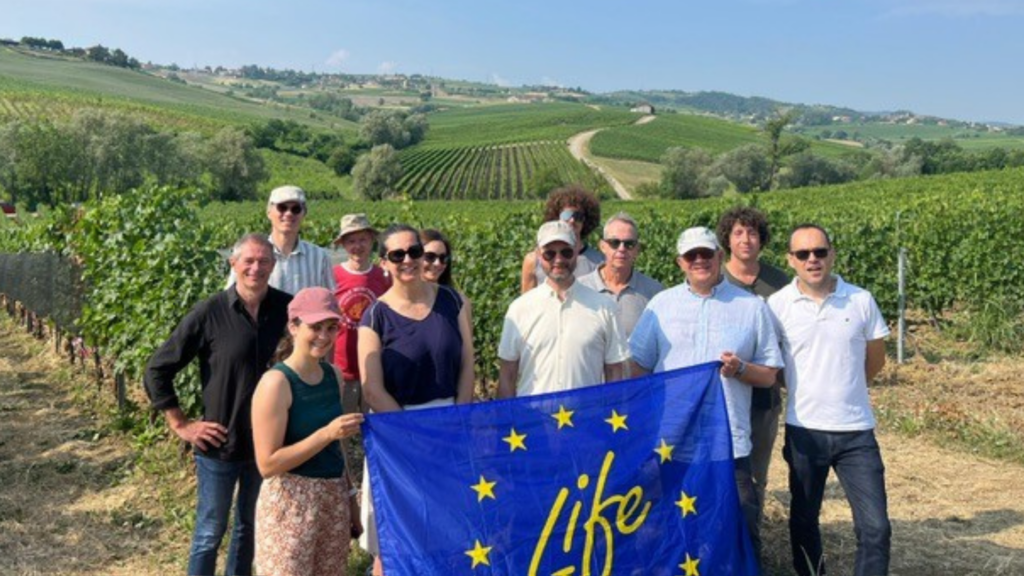
Climate change is reshaping European agriculture, and few sectors feel it as sharply as wine growing. Spring frosts, hail, excessive sun and heavy rain are no longer rare events: they are a recurring threat to both yield and quality. In a wine-producing continent like Europe, finding practical ways to protect vines and grape quality has […]
Futerro CEO Frédéric Van Gansberghe Reappointed to EUBP Board and Elected Co-Chair
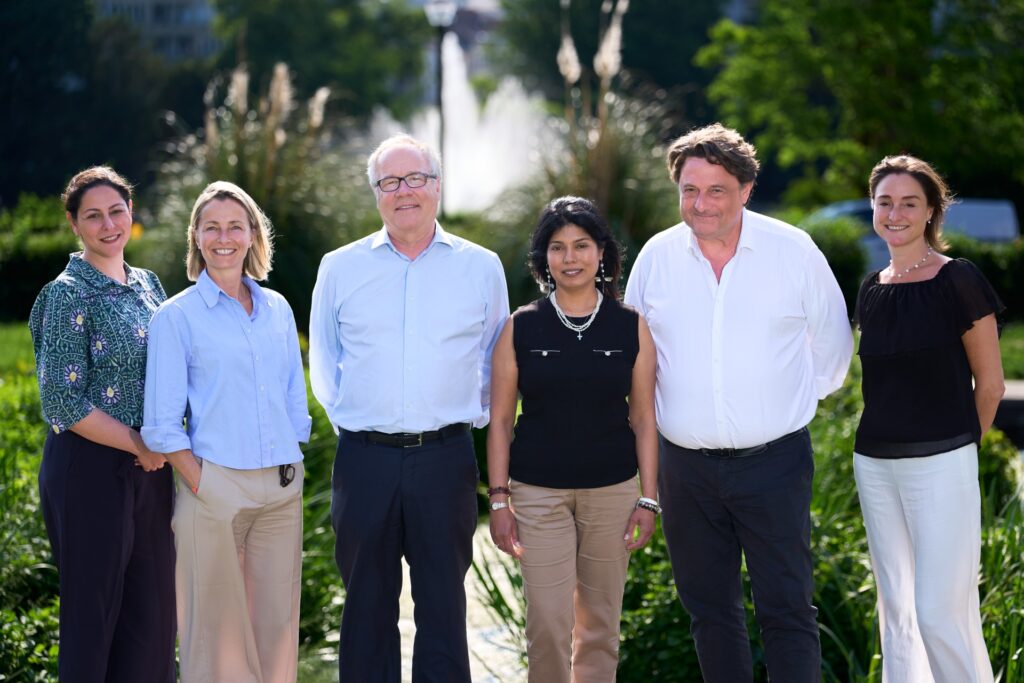
We are pleased to announce that Frédéric Van Gansberghe, CEO and Founder of Futerro, has been reappointed to the Board of European Bioplastics (EUBP) and has now been elected Co-Chair of the association. European Bioplastics is a key advocate for the bioplastics industry, working to create and strengthen a supportive EU policy framework for bio-based, […]
New study on the role of bio‑based feedstocks in plastic packaging
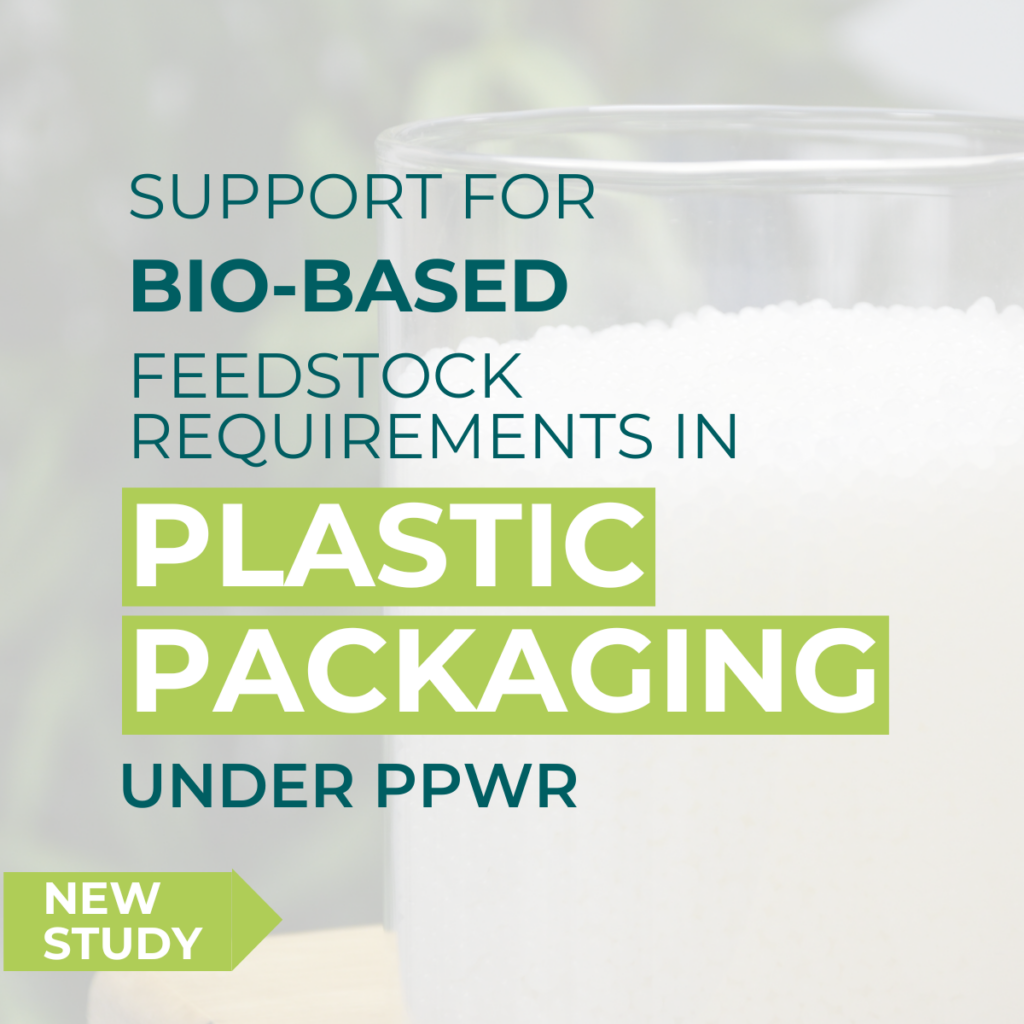
A new study commissioned by the European Commission, Directorate-General for Environment, and carried out by Nova‑Institute on the role of bio‑based feedstocks in plastic packaging has just been published. The study provides early insights and will support the implementation of Article 8 of the Packaging and Packaging Waste Regulation (PPWR). A fully circular plastics system […]
Futerro’s interview with Renewable Carbon Initiative
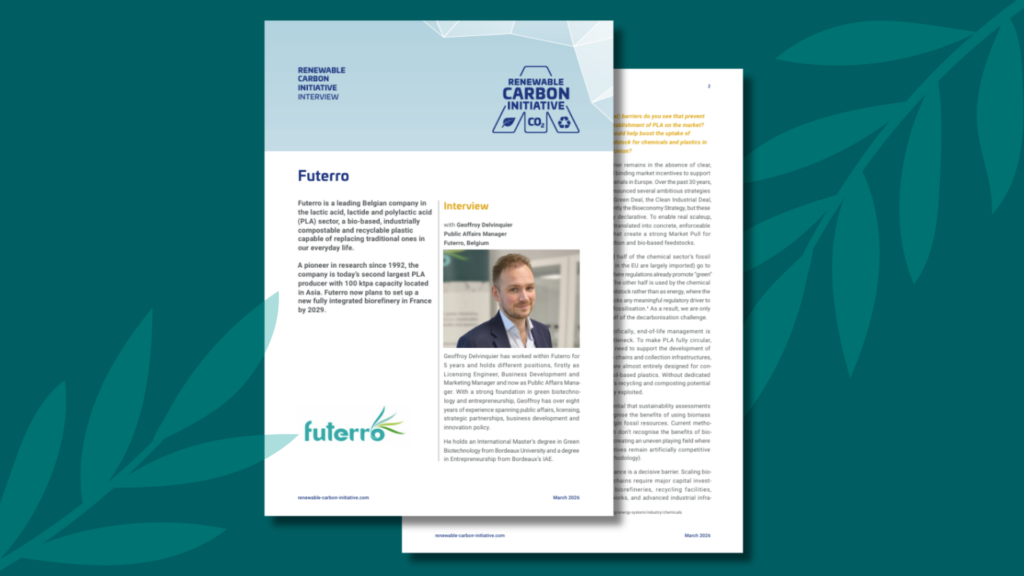
In his recent interview with Renewable Carbon Initiative, Futerro’s Public Affairs Manager Geoffroy Delvinquier highlights the need for stronger, long‑term policy signals in Europe for bio-based chemicals and materials. “Over the past 30 years, the EU has announced several ambitious strategies including the Green Deal, the Clean Industrial Deal, and more recently the Bioeconomy Strategy, […]
PLA does not interfere with PET and PS recycling
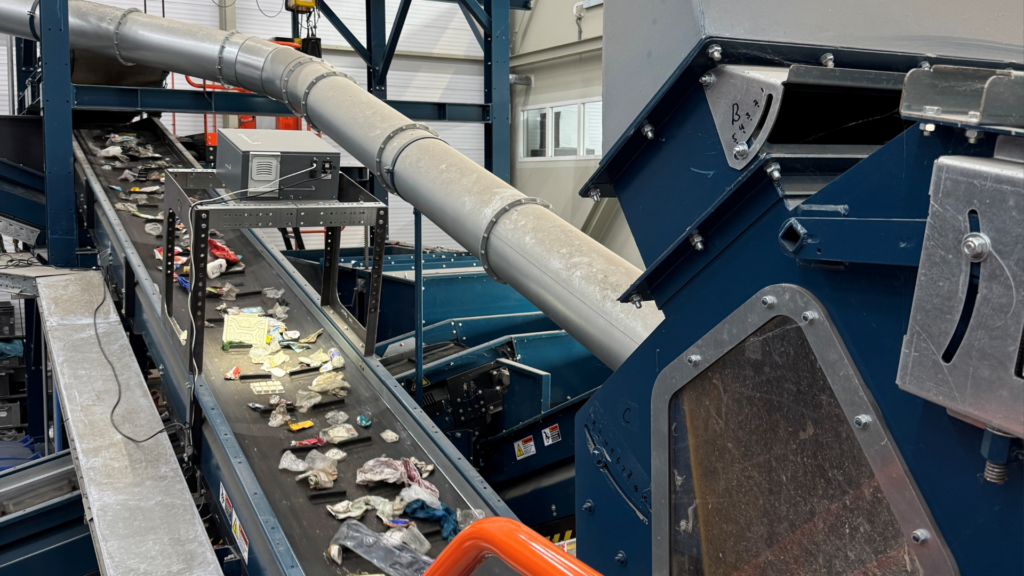
Ghent University, along with other partners of the Prosper Bioplastics Project, conducted a simulation of a European material recovery facility processing 75 kt/y of packaging waste, including PLA detection by NIR, putting long-standing assumptions under the microscope: ✅ PLA does not interfere with PET and PS recycling Contamination in PS and PET streams remains negligible […]
Making Europe’s Biorevolution Happen
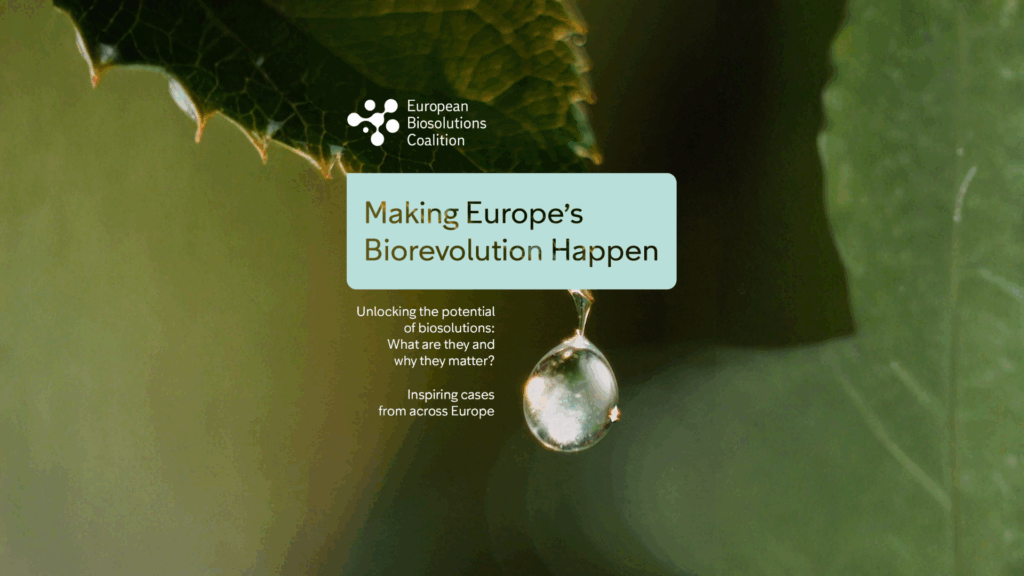
Futerro is Making Europe’s Biorevolution Happen! We are proud to be featured as a case study in the newly released report by the European Biosolutions Coalition, which highlights pioneering biosolutions shaping the future of sustainable innovation across Europe. The report highlights Futerro’s commitment to reinventing chemistry through biobased molecules and plastics, reflecting our continuous efforts […]
Futerro unveils Futeon™: a new chapter for sustainable solutions

Futerro S.A., a Belgian company specialising in the production of lactic acid, lactide (two platform biomolecules), and PLA (polylactic acid), announces the rebranding of its product line from RENEW™ to Futeon™, a step that reflects its commitment to modernisation, innovation, and long-term sustainability. A New Brand Expression for a Future-Driven Vision The transition from RENEW™ […]
Op-ed : “Bioeconomy: A Strategic Bet for Industrial Europe” by Virginie Lutrot and Frédéric Van Gansberghe

“The question is no longer whether the bioeconomy is a promising way forward. It is. The question now is whether Europe is ready to make it a strategic priority.” This sentence is a good illustration of the position of Virginie Lutrot, President of Caux Seine agglo, and Frederic van Gansberghe, CEO of FUTERRO, on how […]
Jean-Christophe Lesguillier Appointed Chief Operating Officer of Futerro France S.A.S.
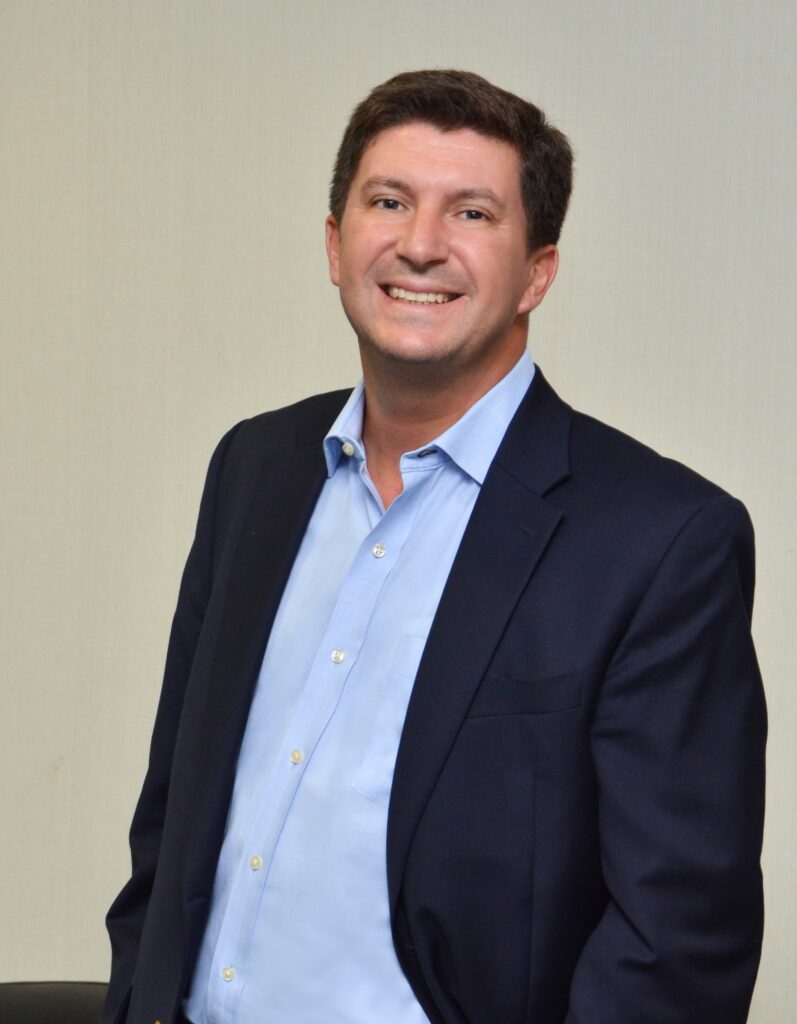
Futerro S.A., a Belgian company specialised in the production of lactic acid, lactide (two platform molecules) and PLA (polylactic acid) announces the appointment of Jean-Christophe Lesguillier as Chief Operating Officer of its French subsidiary, Futerro France S.A.S. This appointment comes as the company recently launched the engineering phase and Front-End Engineering Design (FEED) for its […]
Polylactic Acid (PLA) does not create persistent microplastics in the environment
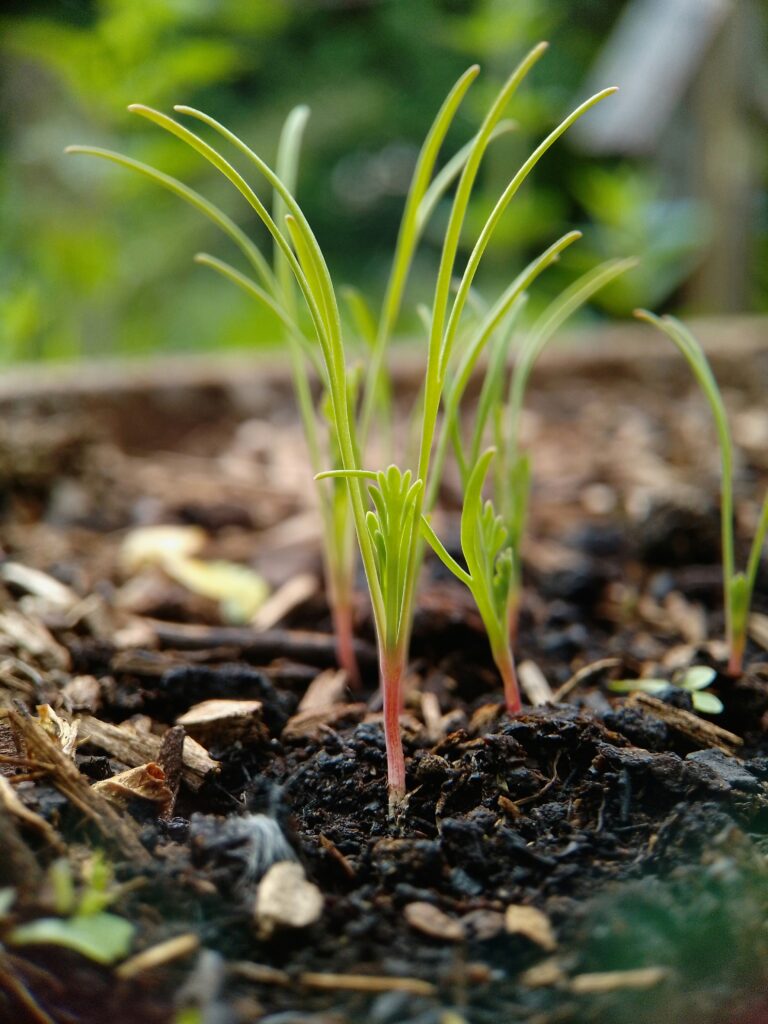
A new -study report, conducted by HYDRA Marine Sciences and commissioned by Holland Bioplastics concludes that PLA does not lead to the creation of persistent microplastics in the environment. In contrast to non-biodegradable, fossil-based polymers, polylactic acid (PLA) has the ability to undergo hydrolysis in the presence of water or humidity. This process breaks down […]